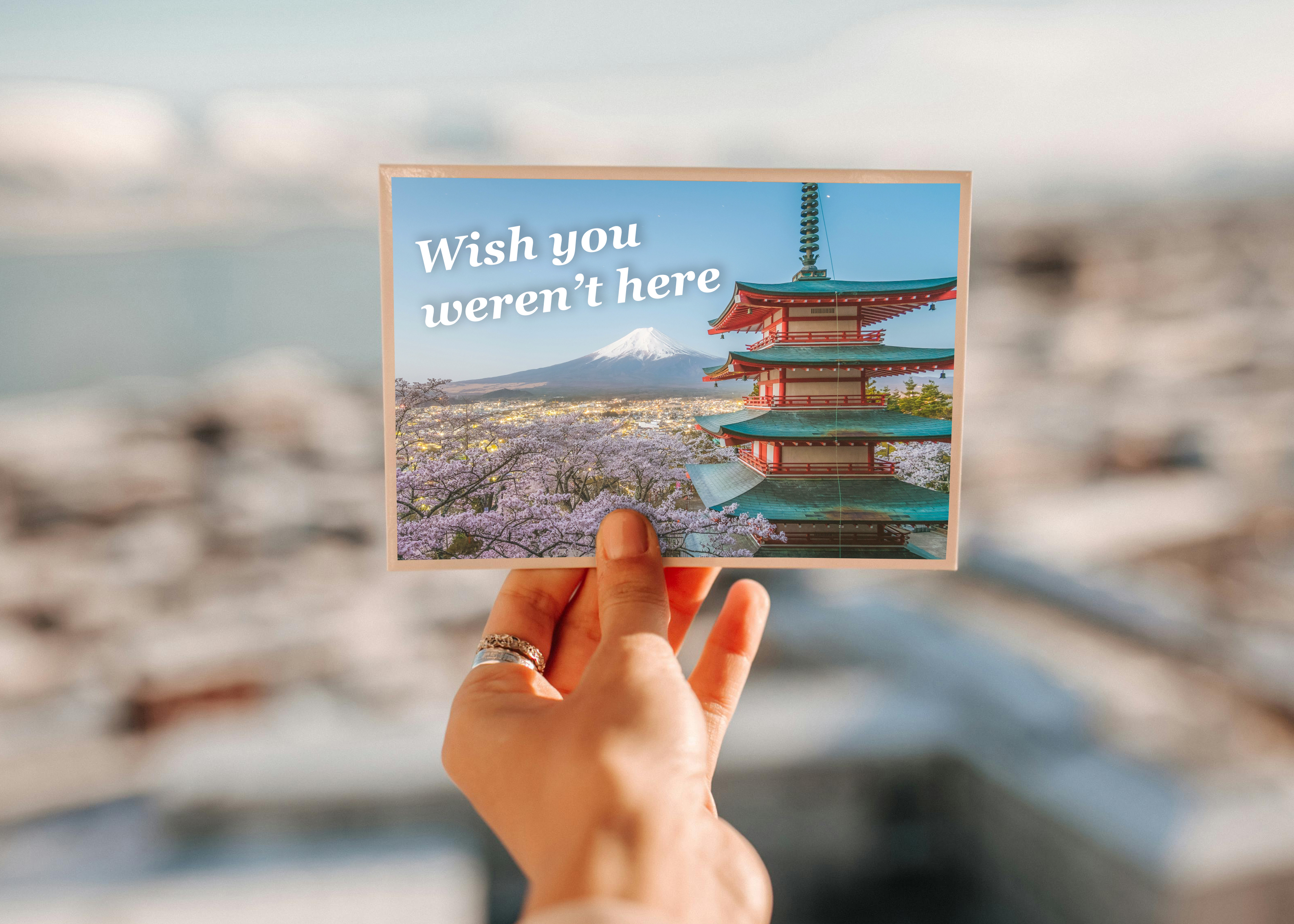
Chiang Mai is known as the cultural capital of northern Thailand. Abundant in ancient temples, vibrant night markets and expansive, lush mountains, it offers visitors a gateway to the treasures of the ancient Lan Na Kingdom.
The Lan Na Kingdom, which translates to ‘The Kingdom of a Million Rice Fields’, existed between the 13th and 18th centuries. it was defined by art and architecture, craft and textiles, dance, cuisine and Theravada Buddhism – all of which carry through strongly to today.
For anyone wanted to immerse themselves in Thailand’s rich history, a visit to Chiang Mai is a must. And one luxury hotel making this a priority for its guests is InterContinental Chiang Mai The Mae Ping.
A new cultural ambassador
InterContinental Chiang Mai The Mae Ping has appointed Bijayasinee Sirivisutra as its first Cultural Ambassador. The newly created position is designed to connect the hotel more deeply with Chiang Mai’s artistic and cultural life.
“In Chiang Mai, the past does not sit behind glass – it breathes beside you,” said Sirivisutra. Born and raised in Chiang Mai, Sirivisutra grew up in a 145‑year‑old Lan Na teakwood house. She was trained in Lan Na dance by a former court dancer in the residence of Princess Dara Rasami.

From an early age, she was immersed in the living traditions of her city. At 11, she represented Thailand as a child delegate at an international festival in Ankara, Türkiye. This experience that taught her how identity travels best when carried by people rather than explained.
How to create an authentic, immersive guest experience
“In hospitality, Cultural Ambassador is a highly unusual role,” said Adnan Yucel, General Manager of InterContinental Chiang Mai The Mae Ping. He continues, “The right candidate is both a curator and cultural liaison, combining elements of event planning, art curation, guest relations and cultural storytelling to elevate the guest experience by embedding Chiang Mai’s heritage directly into the hotel’s daily life.”
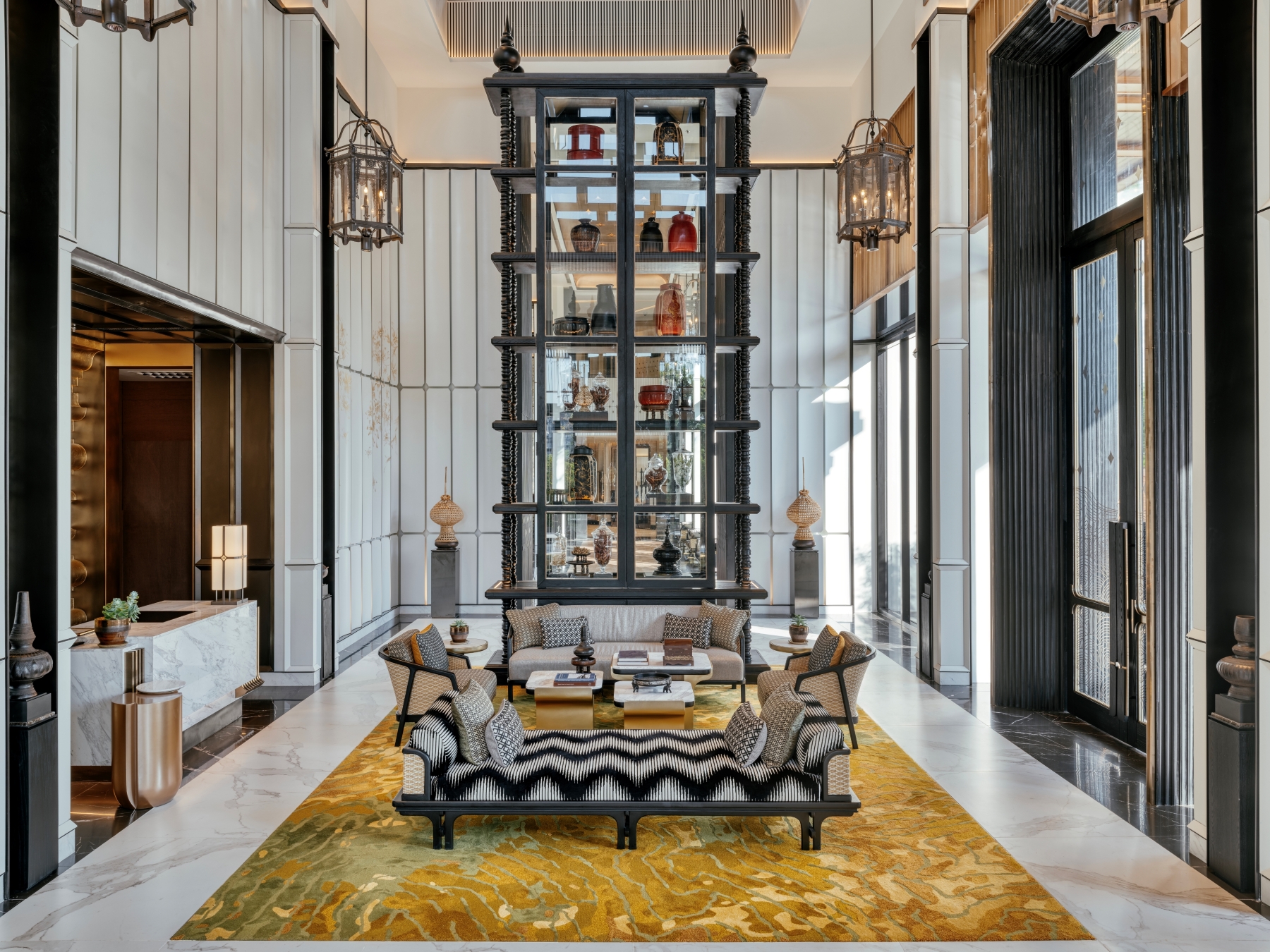
In her role, Sirivisutra will curate immersive guest experiences that showcase Lan Na heritage and introduce visitors to Chiang Mai’s creative community. Alongside acting as a bridge between the hotel and the city’s art and culture scene, she will also oversee the artefacts displayed within the property and ensure the hotel continues to blur the boundaries between hospitality and cultural immersion.

“Bijayasinee stood out for her passion for local culture and her creativity, with strong links to artists, designers and creators, giving our guests behind‑the‑scenes access to their processes.” said Yucel.
Reconnecting with your roots
Sirivisutra has a bachelor’s degree in mass communication with a minor in Thai Art at the Faculty of Fine Arts, Chiang Mai University. She conducted her postgraduate studies in the United Kingdom, before a Darmasiswa scholarship took her to Jakarta, Indonesia. There, she spent a year of language and cultural immersion, deepening her respect for Southeast Asia’s shared complexity and distinct local identities.
Sirivisutra’s professional journey began in one of Thailand’s largest media and entertainment organisations. She later moved into ultra‑luxury hospitality, where atmosphere, pacing and cultural intelligence define the guest experience.

Alongside this, she spent more than a decade travelling across Thailand as a travel writer, listening carefully and translating places into language that could be felt as well as read. Today, she is a master’s student in Arts and Cultural Management at the Faculty of Fine Arts, Chiang Mai University, focusing on cultural heritage management and artistic communication.
Returning to Chiang Mai, she reconnected with her roots. Now, she links her family’s story to the broader story of Chiang Mai, the royal capital of the Lan Na Kingdom.
“With its unique location next to a 600‑year‑old stupa and steps from UNESCO-recognised treasures, InterContinental Chiang Mai The Mae Ping could be described as a living museum,” said Sirivisutra. “I am thrilled to be joining the team and look forward to helping guests see Chiang Mai not only as a destination but as a heritage city with a soul.”