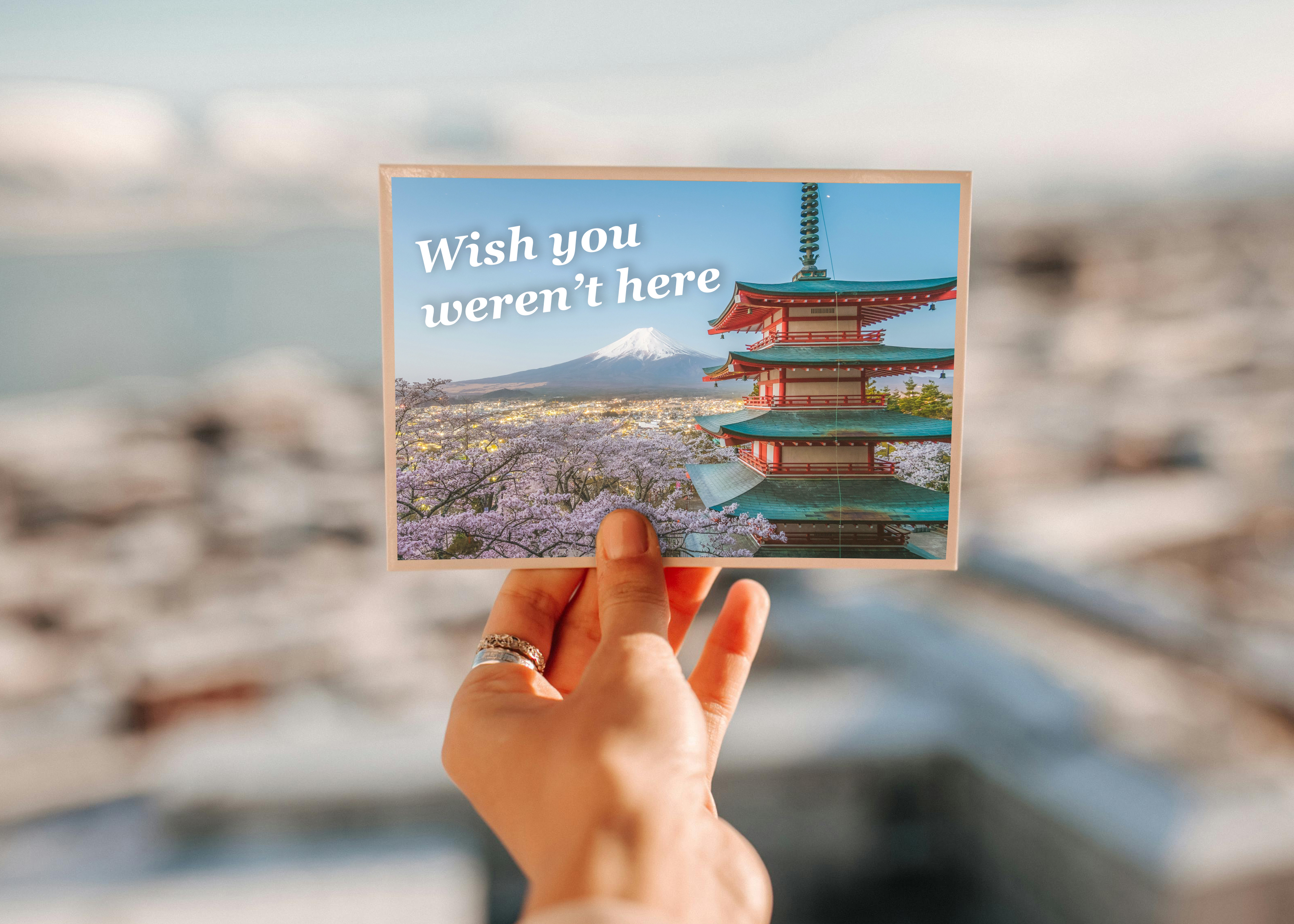
Film and TV provide an escape from reality. An escape that these days, many people want to experience in real life, not only through the screen. According to Future Marketing Insights, the global film tourism industry is expected to grow at a CAGR of 8.2%, from $66.2 billion in 2025 to $145.9 billion by 2035.
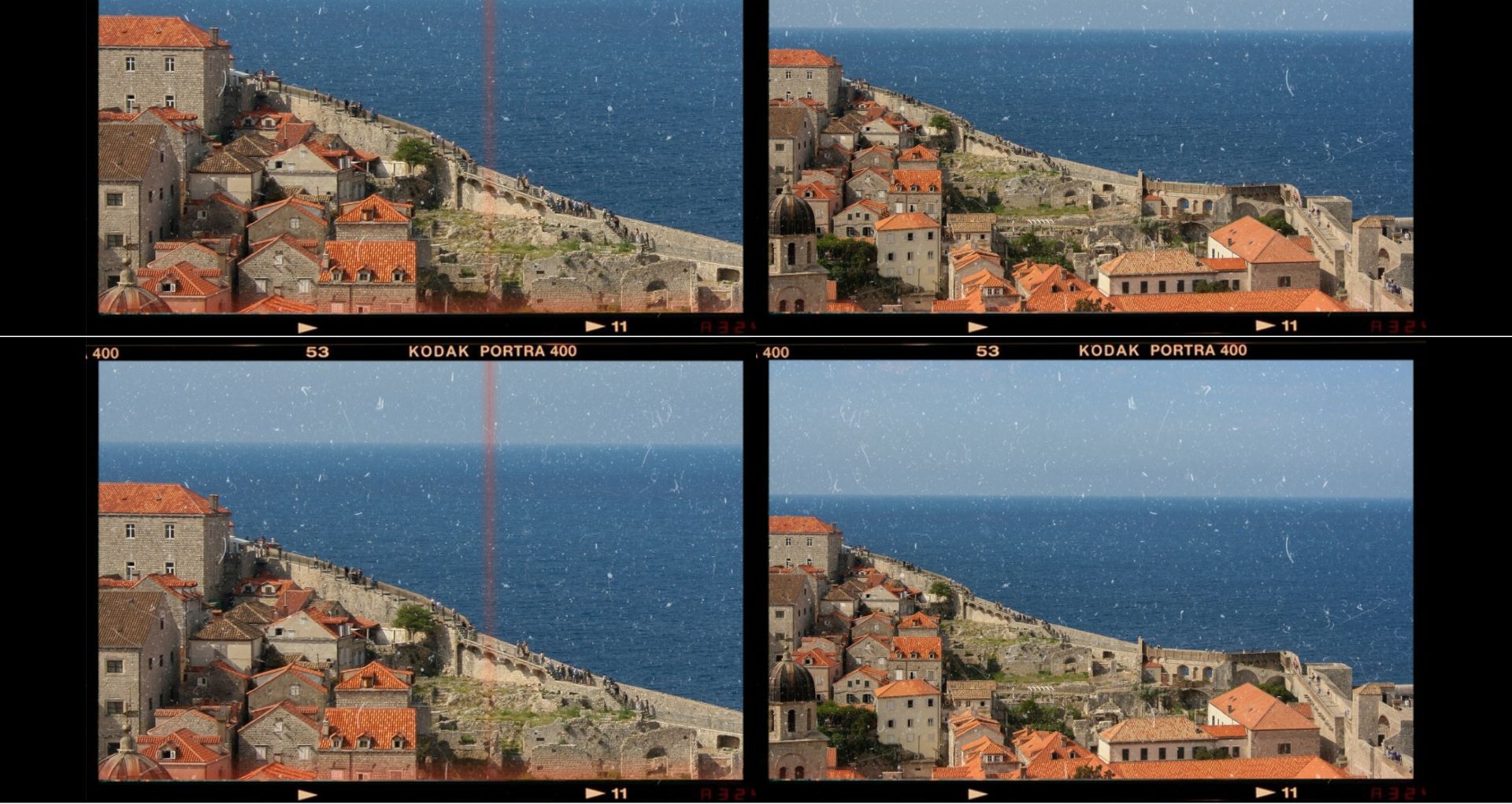
Cinematic pilgrimages have turned global landmarks into cultural shrines. New Zealand serves as the permanent home of Lord of the Rings’ Middle-earth, while the medieval fortification walls of Dubrovnik frame the Game of Thrones world. The streets of London are filled with the magic of Harry Potter, and of course, the iconic Manhattan is the backdrop of many movies and TV shows like Friends and Sex and the City.
The White Lotus effect
The map of film tourism continues to expand. All three Four Seasons resorts where The White Lotus took place have seen a huge increase in interest. Season 1’s Four Seasons Resort Maui at Wailea saw a 425% increase year-on-year in web traffic, and a 386% rise in availability checks.
The San Domenico Palace in Taormina, Sicily was reportedly fully booked for six months following Season 2. The island saw an overall increase in travel demand. Thailand equally saw a 44% rise in flight and hotel bookings after Season 3. Four Seasons Resort Koh Samui experienced a 40% to 65% increase in searches and bookings following the announcement and premiere for Season 3.

Season 4’s location has recently been announced, which for the first time in the series, is not a Four Seasons property. The 19th century Château de La Messardière, owned by Airelles Collection, is rumoured to be White Lotus’ next stage. Situated in the hills of Saint-Tropez, this property, among others along the Côte d’Azur, will provide the backdrop to the inevitable chaos that will ensue in Season 4.
Capitalising on film tourism
People today are looking for more connection and emotional resonance in their holidays. In the case of film tourism, it’s about finding a familiar and popular setting for their own story to unfold.
Modern tech plays a part in bringing that story to life. Tourists are now using AI to suggest personalised travel itineraries based on their favourite shows or films. Additionally, multiple apps such as SetJetters and Reel Reality are geared to assist fans in their expeditions.
Augmented reality (AR) enables tourists to overlay a transparent image of a movie scene over their camera view and line up a perfect, side-by-side photo. Other apps like CineTrail provide curated, interactive walking trails of filming locations. More community-focused, this lets tourists turn movie scenes into real, in-person adventures.

Also catering to the demand in film tourism, hotels like Four Seasons are exploring ways to create story-driven itineraries that extend the cinematic experience. The brand recently introduced its ultra-luxury World of Wellness 2026 private Jet Journey.
Making stops at the well-known Hawaiian, Sicilian and Thai resorts made famous by White Lotus, plus five more destinations across the world, guests can immerse themselves in the on-screen luxury experience. With a starting cost of $188,000, the total trip lasts 20 days and promises a wellness journey designed to enrich mind, body, and spirit. Which is what many of The White Lotus characters were also seeking, until they met their sticky fates.
Catering to the hype vs serving local communities
While increased tourism has significant economic benefits, what’s now being dubbed ‘the ‘’The White Lotus effect’ has downsides. Over tourism in places has driven prices up, forcing locals out of their favourite hangouts. Particularly in parts of Paris, local hostility has risen towards selfie-taking tourists trying to be the next ‘Emily in Paris’. Taking over what used to be quiet, unassuming neighbourhoods, the influx of tourists is often unwelcome.

Film tourism shows no signs of slowing down. While this growth offers a way to explore local heritage and boost regional economies, it also demands a new level of mindfulness. To ensure these locations remain as enticing in person as they are on camera, the essence of what drew people there in the first place must be protected.
Support independent, honest journalism
At STERNA, we believe travel journalism should provoke new thought, inspire positive change, and highlight the purpose-led and sustainable businesses protecting our planet and local communities.
True, independent storytelling takes intention and deep research. We operate without clickbait, sensationalism, or corporate bias.
By contributing to STERNA, you directly fund independent journalism and help us bring more stories of positive environmental and cultural impact to light.
If our work has inspired you, consider supporting our mission.
Contribute to support independent journalism.
At STERNA, we believe travel journalism should provoke new thought, inspire positive change, and highlight the purpose-led and sustainable businesses protecting our planet and local communities.
True, independent storytelling takes intention and deep research. We operate without clickbait, sensationalism, or corporate bias.
By contributing to STERNA, you directly fund independent journalism and help us bring more stories of positive environmental and cultural impact to light.
If our work has inspired you, consider supporting our mission.
Contribute to support independent journalism.
Choose an amount:
Or enter a custom amount:
Your contribution is appreciated, and helps to keep our site ad-free.
Your contribution is appreciated, and helps to keep our site ad-free.