In contrast to the sterile, glass façades of new builds, there’s something exciting about textured walls with a past.
In Q1 this year, The Vineta Hotel, Château la Commaraine and The Imperial Hotel, Kyoto are opening their doors within restored historic shells, proving that luxury does not have to be built from the ground up. At a time when construction is one of the most polluting industries, one of the most forward-thinking ways to build for the future is to honour what already stands.
Beyond the undeniable charm of original cornices and weathered stone, these projects represent a critical evolution in sustainable travel: adaptive reuse. By reimagining existing structures rather than breaking new ground, these developments significantly reduce the embodied carbon typically released during demolition and new construction.
It’s a philosophy that views architecture not as disposable, but as a legacy to be curated and celebrated. These three openings offer a chance to step into a living history that’s as environmentally conscious as it is architecturally magnificent.
Keep reading to learn more about the history of each hotel.
Oetker Hotels debuts in the US, with a 100-year-old revival
Oetker Hotels has reunited with owner-partners Reuben Brothers to take its European hospitality to the US for the first time. Opening early this year, The Vineta Hotel, Palm Beach marks a new chapter in the building’s 100-year history.

Originally opened during the Florida real-estate boom in 1926, the hotel was named the Lido-Venice, and two years later was renamed The Vineta. Its interiors were initially designed in a Venetian style. The hotel went through several owners and renovations from 1937 onwards, being renamed The Palm Court and then The Chesterfield. On August 21, 1986, the hotel was added to the US National Register of Historic Places.
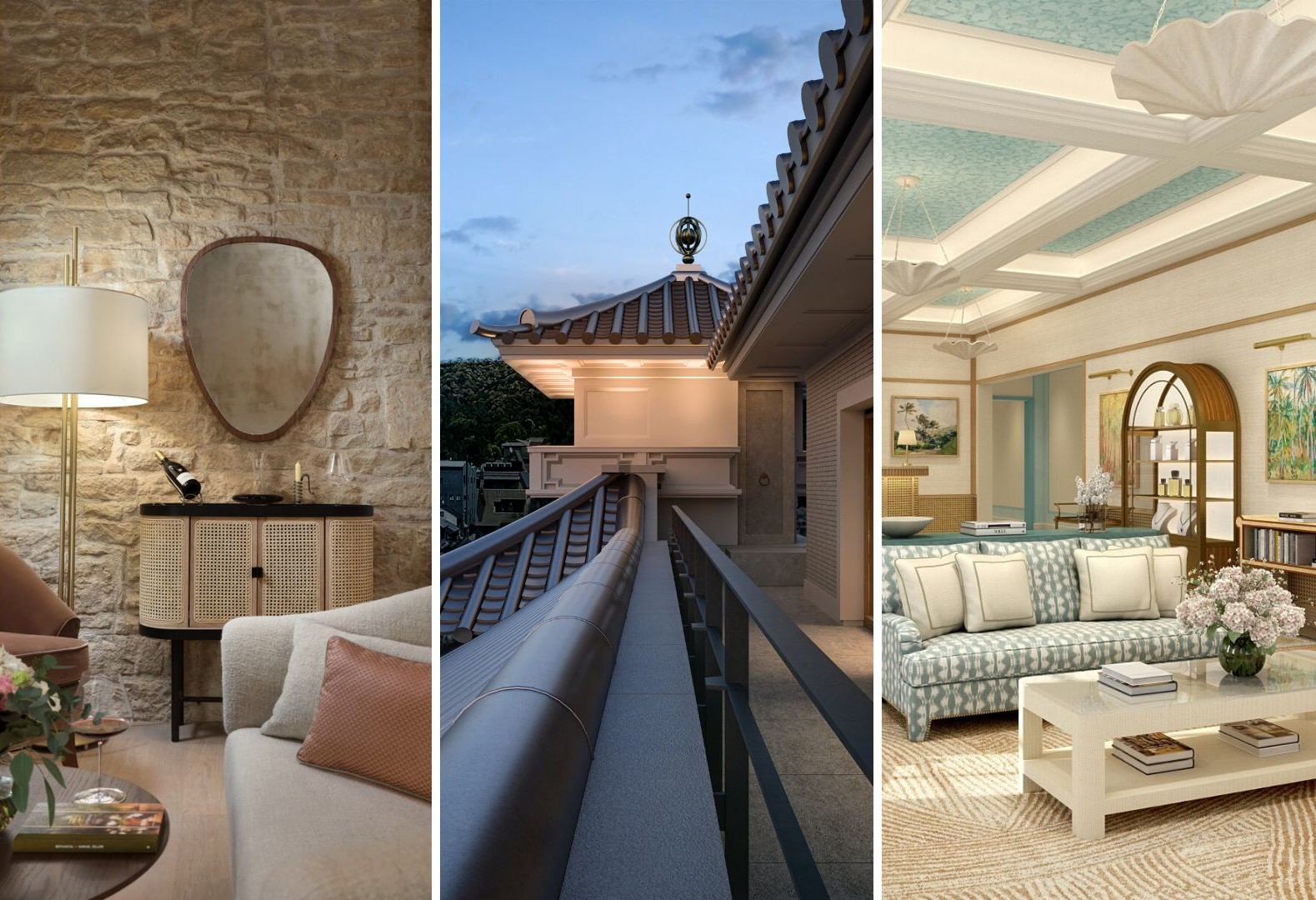
The Chesterfield eventually closed in 2022, and this year, the landmark building will be reborn as new The Vineta Hotel, under Oetker Hotels. The brand describes its hotels as being “grand and glamorous, yet also grounded and genuine”. This is no exception at the new hotel. It has undergone a total renovation led by renowned interior designer, Tino Zervudachi, and will open with its original splendour.

The Vineta Hotel’s dining and social spaces will offer an eclectic mix of four distinct environments, including Coco’s, The Pool House and The Bar with a botanical cocktail concept. The infamous, former Leopard Lounge – a popular Palm Beach night spot for celebrities and locals alike – will see a total transformation.
Introducing the first five-star hotel in a 900-year-old historic vineyard
Burgundy’s first five-star vineyard hotel, Château la Commaraine, will open in March. The Dukes of Burgundy originally built the fortified manor in 1112, and it continued to be owned by nobility over the following centuries.

The historic estate is located within the Premier Cru vineyards of Pommard, one of the world’s most celebrated regions for wine production. Winemaking in this region actually began in the year 909 when Benedictine monks planted the first Pinot Noir vines. This year, Château la Commaraine will open as a 37-room hotel within the vineyard spanning just under nine acres.
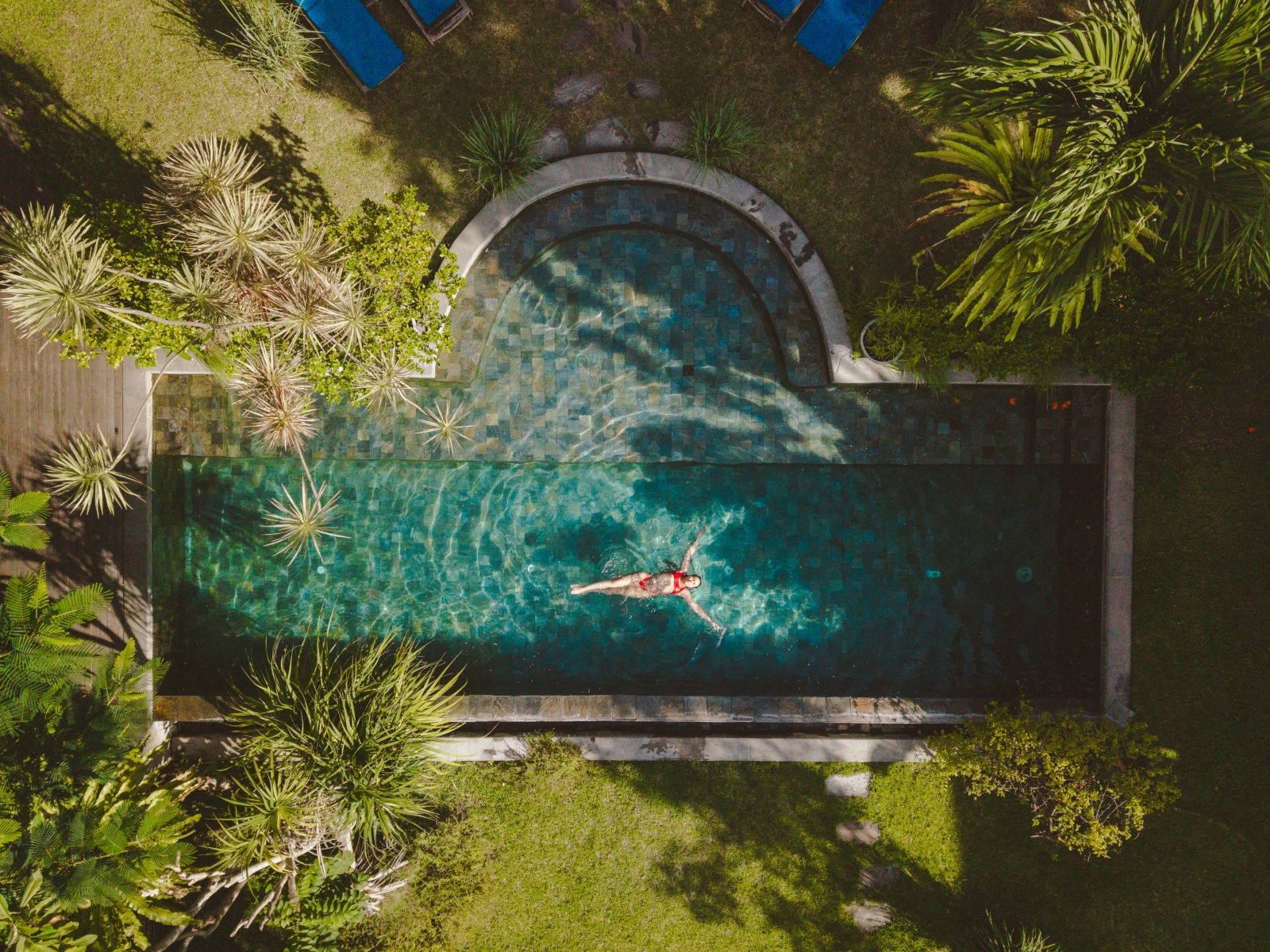
The château has been restored to preserve its heritage while introducing contemporary elegance. It will feature exclusive wine experiences for guests, from viticulture workshops and cellar tastings to bespoke “Wine Safaris” through Burgundy’s celebrated vineyards. Guests can additionally savour Michelin-level cuisine at two restaurants overseen by chef Christophe Raoux, unwind at the spa, or soak up vineyard views from the 18-metre heated outdoor pool.

Beyond the château, travellers can explore the region with hot air balloon rides or by cycling through the surrounding villages. With its blend of heritage, luxury, and immersive wine culture, Château la Commaraine marks a new chapter for vineyard hospitality.
The Imperial Hotel, Kyoto preserves its traditional 1930s Japanese design
Also opening in March is The Imperial Hotel, Kyoto. Reimagining a 1936 Japanese theatre with an ethos of old is new, it has preserved its historic fabric. The design draws on Japanese marble, Ōya stone, and Tamina-ishi, together with crafted woodwork and, in the North Wing, tatami flooring, grounding the experience in Kyoto’s climate and craft culture.
It will feature four distinct dining destinations that reflects the hotel’s ethos of blending tradition with modern grace. REN’s chef’s counter experience will be guided by Japan’s twenty-four solar terms, while YASAKA showcases a wood-fired theatre. The OLD IMPERIAL BAR boasts nostalagic elegance, and THE ROOFTOP provides open-air serenity.
Find out more about The Imperial, Kyoto’s history and design here:
Other examples of adaptive reuse in luxury hospitality
Find out more about existing and upcoming hotels that have fascinating, historic stories.