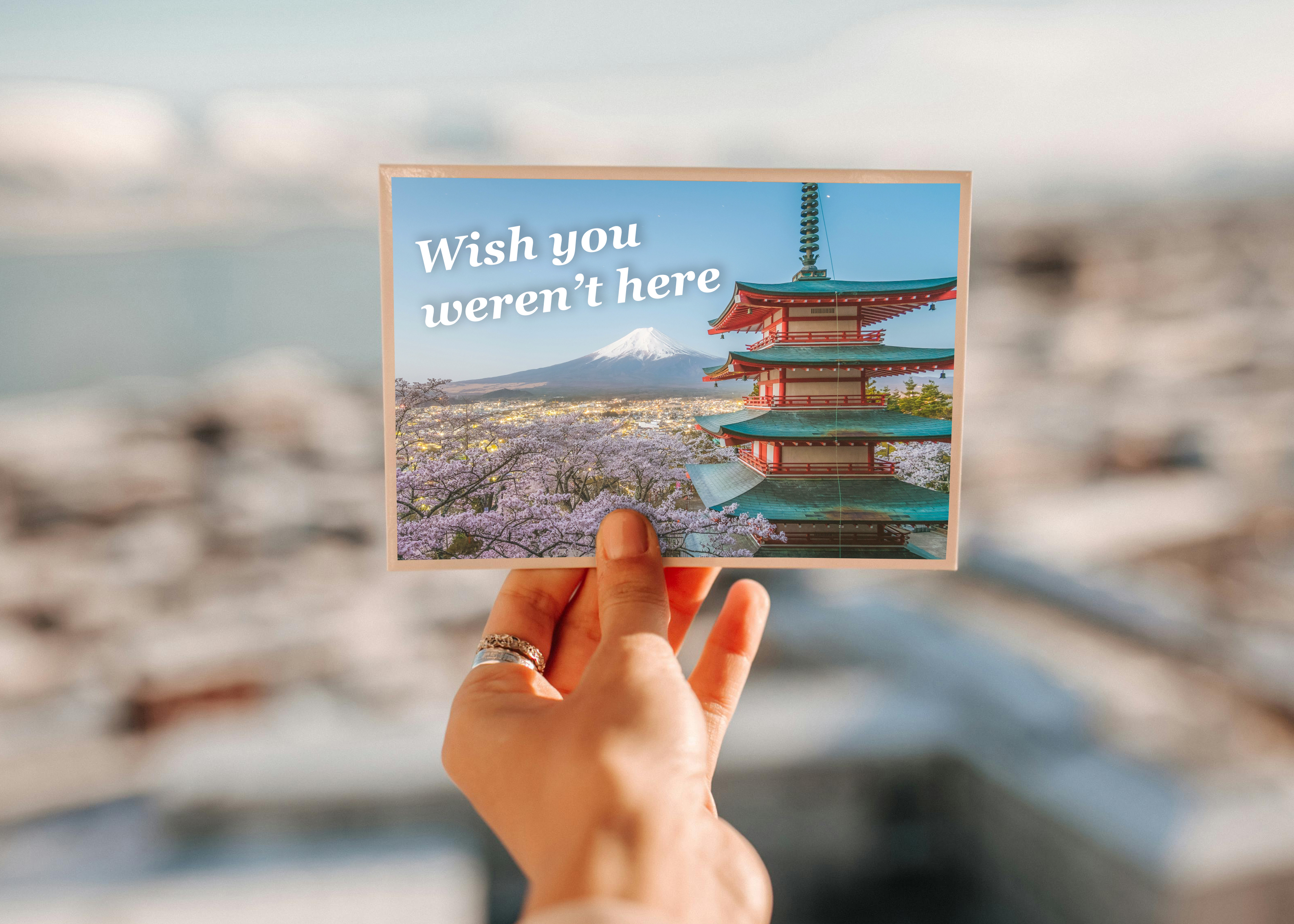
Today, almost anyone can buy a designer watch or check into in a five-star glass box in Dubai. Simplicity, however, has become rare.
Having the time, space, and permission to harvest your own tomatoes or sit in a room made of trees that were growing before you were born: that is the new desirable commodity.
When it comes to ultra-luxury hospitality, Aman is the benchmark. Setting the tone for the brand’s signature aura, the founder, Adrian Zecha named the first resort Amanpuri, meaning ‘place of peace’ in Sanskrit. Each of its subsequent properties has continued to uphold this ethos of quiet luxury.
More than 35 years on, and now under Vladislav Doronin’s leadership, the Aman brand has marched steadily into increasingly fast-paced, urban environments. Perhaps this is why Zecha has gone back to his roots to create a new project. Opened a few weeks ago, his Azuma Farm Koiwai is luxury rooted deeply in the land – minimal, immersive, and decisively calm.

Less is more
Aman changed the aesthetic of luxury. Before its inception in 1988, five-star usually meant gold leaf extravagance and white-glove formality. Aman, however, introduced a counter-narrative with clean lines, neutral palettes and invisible service.
The brand pioneered the concept of quiet luxury decades before it became a digital buzzword Originally intended as a private holiday home for Zecha and his friends, with a home-away-from-home service, Aman’s visual identity is built on minimalism and local vernacular. Most of its properties have remained intentionally small. Often under 40 suites, there’s a sense of the intimacy of being in a wealthy friend’s clandestine home.

It quickly captured a global elite following who began planning their itineraries solely around Aman openings. Their loyatly is driven by a guarantee of absolute privacy. Properties are often gated, remote, or physically difficult to reach.
Zecha hired influential architects like the late Kerry Hill and Jean-Michel Gathy to ensure each hotel felt like a natural extension of its landscape. Using local materials like stone and wood from local artisans, each property feels like it belongs. Amanjiwo in Indonesia, for example, overlooks the UNESCO World Heritage Site of Borobudur and is designed as an homage to the site, mirroring the architecture of the ancient temples.
The urban shift
For 30 years, Aman was synonymous with being remote. Amangiri is buried in Utah’s desert, while Aman-i-Khas lies in the heart of Rajasthan jungles, and Amankora is hidden on the mountains of Bhutan.

Recently, the brand has executed a high-stakes pivot into urban sanctuaries within some of the world’s busiest hubs. Aman Tokyo sits as a sanctuary in the sky high above the capital. Aman New York, located in the historic Crown Building, stands as one of the most expensive hotels in the world and introduces a private members’ club – a first for the brand. The recent opening of Aman Bangkok signalled a return to the country where it all began, but this time, inside a city skyscraper.
As Aman carves this new, vertical path for itself, Zecha has stepped completely away, retreating back to his initial desire for the remote and the exclusive.
The new luxury: Azuma Farm Koiwai
With his new Azuma Farm Koiwai, Zecha signals that the new frontier of luxury isn’t a larger spa or a higher infinity pool. Instead, it’s the preservation of agrarian heritage.
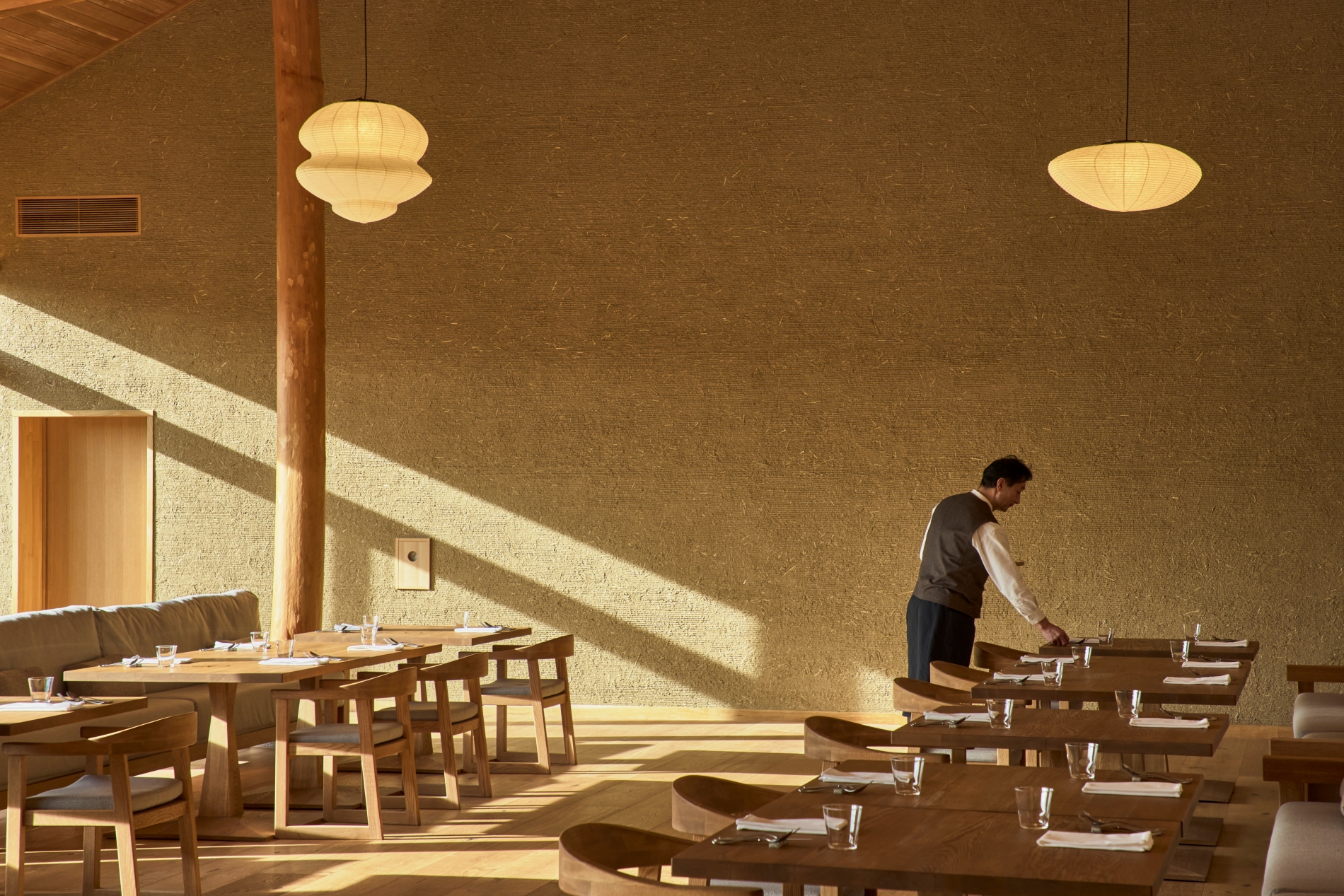
The property sits within a 130-year-old regenerative estate. Designed by Kyoto architect Shiro Miura, 24 villas are scattered across eight hectares of woodland, with a strict zero-plastic policy on-site. Once again a natural extension of the land, Miura uses 100-year-old red pine and cedar felled from the farm’s own forests.

The setting itself has great historical significance. Located in Iwate Prefecture, about two hours north of Tokyo by Shinkansen, the resort is set within one of Japan’s largest, private integrated farms founded during the Meiji period. Over the last 130 years, the whole 3,000-hectare estate has been transformed from barren volcanic ash into lush pastureland.
With over five decades in hospitality, Zecha is betting that the modern traveller is exhausted by manufactured luxury and wants to reconnect with something elemental. His vision is a farm-life philosophy. Unlike a typical luxury resort where nature is just a view, Zecha designed this farm so that guests are immersed in the daily agricultural rhythms.
Protecting the craft
Zecha has leveraged his deep connections in Japan to offer high-end craft integration through experiences most travellers can’t access. For example, guests can work with an 11th-generation master kettle smith to create Nanbu ironware, a craft native to the region since the 1600s.

The culinary approach is farm-to-table in the literal sense. Instead of a celebrity chef, Zecha uses the circular food traditions of the local community. The menu is dictated by a seasonal harvest – what the land provides that morning. It could be fresh dairy from Koiwai’s herds, mountain vegetables, or seafood from the nearby Sanriku coast.
Luxury has previously been defined by what you could add to a space: Carrara marble, silk linens, and Beluga caviar. Today, for the elite, luxury is defined by what you can protect. A billionaire building a farm isn’t playing peasant. He is securing the three things that money can no longer easily buy in 2026: living soil, pure water, and sanctuary.