There are many ingredients that go into making a memorable luxury hospitality experience. Good service is paramount. Yet beneath the surface lie subtle design details, increasingly intelligent technical considerations, and sensory choices that shape the overall atmosphere.
At the Independent Hotel Show 2026, leaders across these disciplines converged. Where these worlds collide, the true magic of hospitality is created. Under this year’s theme, Shaping Tomorrow: Where Innovation Meets Independent Spirit, more than 35 seminar sessions, interactive discussions and expert-led conversations explored the challenges and opportunities independent hoteliers are faced with today.
Keep reading to discover STERNA’s top three key takeaways from the event, spanning the neuroscience behind hotel design, the evolving needs of the luxury traveller, and the nuanced role of AI.

The human touch vs. AI automation
A dominant topic across the stages and through the entire Olympia venue was, unsurprisingly, AI. More specifically, where it adds value versus where it poses a risk in hospitality. There was a unanimous belief that AI should be used as an assistant, and not a replacement for staff.
Drawing on his own previous experience as a butler, Pedro Moreira — now CEO at Aphy, an agentic AI platform for hoteliers — likened it to the ideals of butler service: “the guest should experience the result, but never the effort”.
Speakers across the two days emphasised that while AI can handle baseline or behind-the-scenes tasks, it cannot replace genuine, real emotional connection. “Human interaction creates a tangible impact that AI cannot replicate,” said Moreira.
![Independent Hotel Show, [From left to right] Alex Burgess, Director, CEO’s office, evivvo; Morgan Gulland, General Manager, Wigwam Holidays; Ben Murphy, Founder, Hosting Holidays; Simon Hunt, Owner, Kilmartin Castle](https://i0.wp.com/sternalife.com/wp-content/uploads/2026/10/IH_Show_London_Day2_061026_23.jpg?resize=1024%2C683&ssl=1)
Several hoteliers additionally discussed the technology’s current limitations and how it can fail and trip over nuance. “It feeds users what it thinks they want to hear,” added Simon Hunt, Owner, Kilmartin Castle. Joined by Ben Murphy Founder of Hosting Holidays and Morgan Gulland, General Manager at Wigwam Holidays on a panel moderated by Alex Burgess, director, CEO’s office at eviivo, the group cautioned against over-automating processes without accurate data and oversight. “Sometimes you can do more damage than good,” said Murphy.
Emotional experience and multi-sensory design
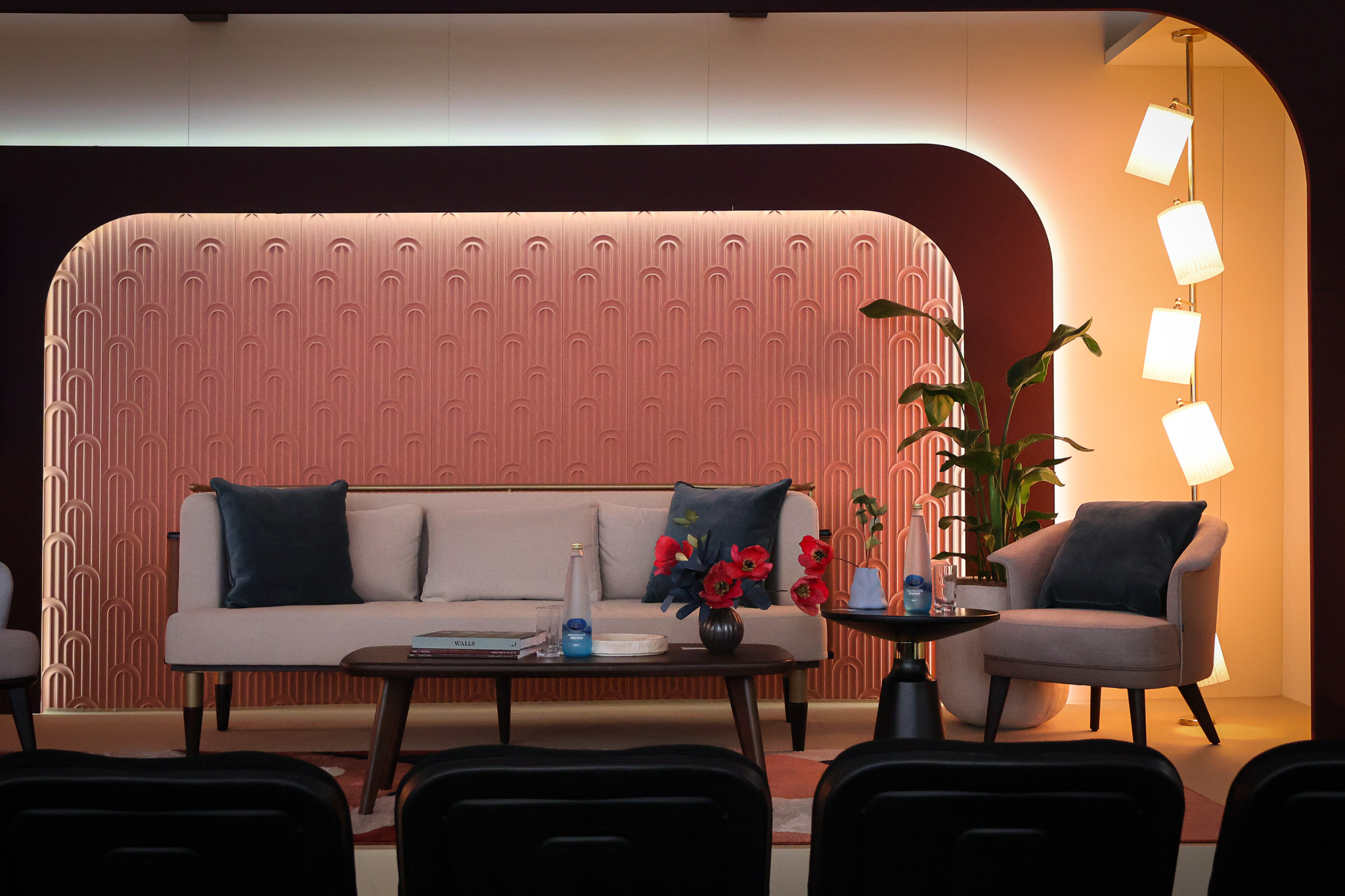
Guest perception is influenced by more than operational technology. A recurring motif throughout the show was on the lasting emotional imprint a hotel leaves behind. “Guests might forget specific details of a hotel like the colour of the walls, but they will remember how a place made them feel,” explained Kirsi Ihalainen, CEO at TUNTU, the official design partner for the Members Suite at the Independent Hotel Show 2026. Crafting an atmosphere that truly alters a guest’s state of mind must therefore look beyond visual aesthetics to encompass all senses, including sound and scent.

Christine Skaar, Founder and Creative Director at KVIST reinforced this principle: “Design is more than a beautiful photo. It should aim for a lasting feeling, not a look”.
She added that luxury hospitality sometimes becomes too rigid and serious, stripping away the magic of unplanned delight. And it’s precisely those spontaneous, personal touches that can elevate a stay. “When a hotel surprises you with something you didn’t know you wanted, you’re more likely to remember that stay,” Skaar shared.
Turning to the modern luxury traveller, Marie-France Perrel, Head of Business Development, Hotels at MICHELN Guide, shared how the “traditional markers of opulence are no longer the same”.
Together in conversation with Skaar, Phillip Allsopp, Managing Director at Classic British Hotels and Michael Jacobi, Managing Director at Scally Hotel Collection, they highlighted the rise of the digital detox trend. A growing priority for luxury travellers is the ability to step away from screens, disconnect, sleep well, and be present. As Jacobi put it, hoteliers have “the opportunity to provide that space for them to disconnect”.
Choice, personalisation and connection on a human level
Looking ahead, speakers consistently returned to a core priority: truly knowing your guest. Reading the room, understanding individual motivations, and tailoring experiences rather than standardising service is essential.
While hoteliers may feel pressure to adopt every emerging technology, the speakers urged properties to evaluate whether a tool genuinely enhances the guest journey. Rather than applying a one-size-fits-all model, true luxury returns control to the guest.
![Independent Hotel Show, [From left to right] Declan Wale, Director, Hotel Magazine; Kathryn Haskins, Director, Eyes of the Guest Ltd; Nuno Cesar de Sa, General Manager, Grantley Hall; Rose Webb, Marketing Director, Clermont Hotel Group](https://i0.wp.com/sternalife.com/wp-content/uploads/2026/10/1791237589157.jpg?resize=1024%2C682&ssl=1)
“Luxury is about giving guests the choice,” said Nuno César de Sá, General Manager at Grantley Hall, whether that’s opting for high-tech integration or a tech-free sanctuary. Rose Webb, Marketing Director at Clermont Hotel Group added how cultural differences play a significant role in the profiles and preferences of visitors. She expressed how its vital for staff to read the room and tailor their approach accordingly for each different guest.
Tying together discussions on tech adoption, spatial feeling, and spontaneous delight, Kathryn Haskins, Director at Eyes of the Guest Ltd (managing Alexandra Hotel and Restaurant), left the audience with a poignant thought. Having a real human look guests in the eye, show warmth, and anticipate needs can shock guests out of the digital haze that’s become the reality for many of us. And that human connecting is becoming the rare and valuable differentiator.
Read more related stories


Support independent, honest journalism
At STERNA, we believe travel journalism should provoke new thought, inspire positive change, and highlight the purpose-led and sustainable businesses protecting our planet and local communities.
True, independent storytelling takes intention and deep research. We operate without clickbait, sensationalism, or corporate bias.
By contributing to STERNA, you directly fund independent journalism and help us bring more stories of positive environmental and cultural impact to light.
If our work has inspired you, consider supporting our mission.
Contribute to support independent journalism.
At STERNA, we believe travel journalism should provoke new thought, inspire positive change, and highlight the purpose-led and sustainable businesses protecting our planet and local communities.
True, independent storytelling takes intention and deep research. We operate without clickbait, sensationalism, or corporate bias.
By contributing to STERNA, you directly fund independent journalism and help us bring more stories of positive environmental and cultural impact to light.
If our work has inspired you, consider supporting our mission.
Contribute to support independent journalism.
Choose an amount:
Or enter a custom amount:
Your contribution is appreciated, and helps to keep our site ad-free.
Your support is appreciated, and helps to keep our site ad-free.