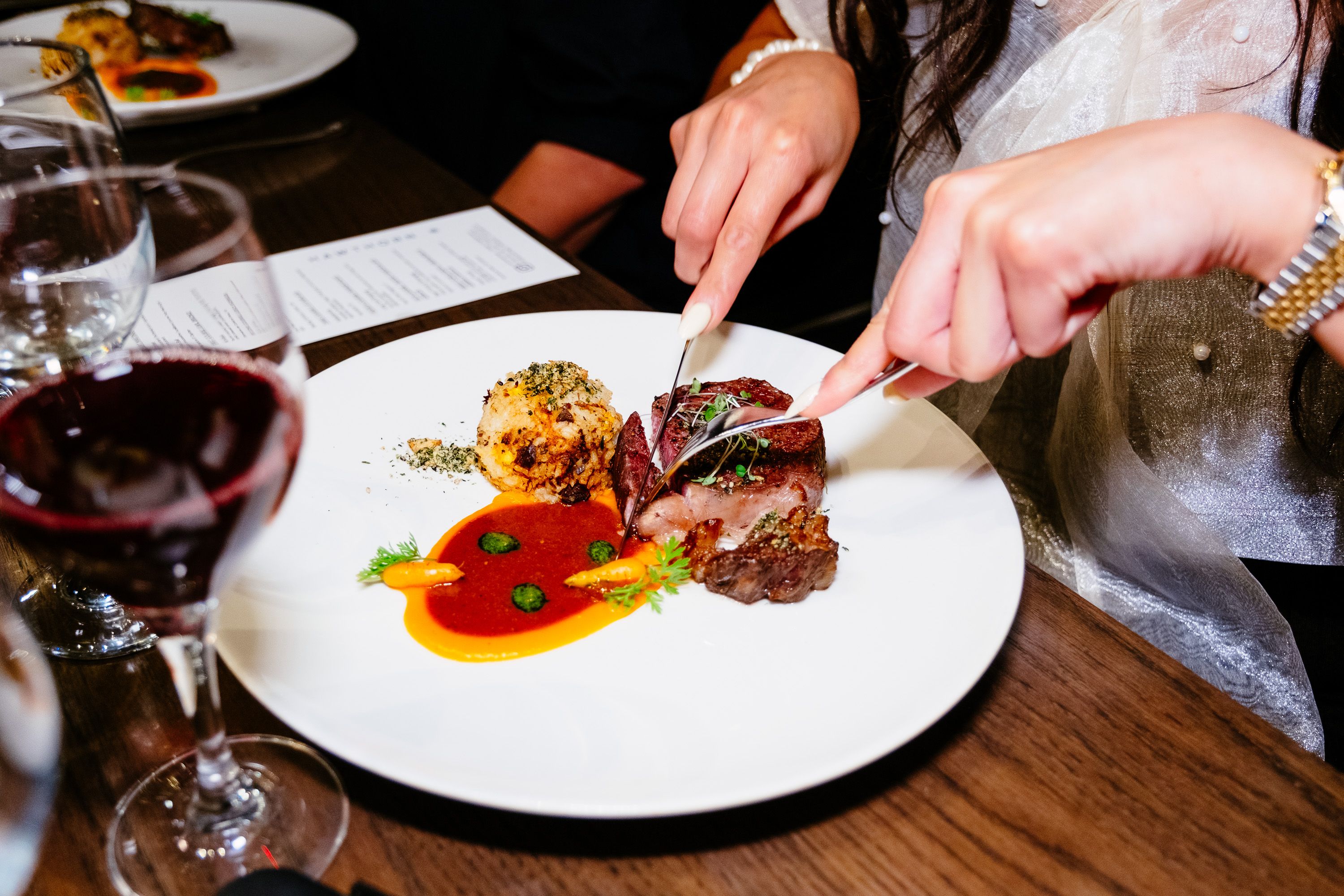
Storytelling is an inherently human trait. From historic cave paintings to today’s TikTok reels, humans have always found a way to communicate a story. One way luxury hotels tell stories today is through the food and beverages (F&B) they offer.
Luxury dining has become a whole experience. It’s not only about the flavours of the dish, but the presentation, the ambience, and above all the storytelling. It could be the chef’s personal life journey that inspired a nostalgic menu. Perhaps a unique recipe curated for a VIP guest that made such an impact, that it continues to be a treasured dish years later. Or maybe a limited-time menu that celebrates a single historic moment in time.

Whatever the case, each experience is cherished for the story it imparts on the guests. Keep reading to discover some examples of memorable narrative-driven menus.
A timeless menu honouring historic VIP guests
While many restaurants obsess over constantly refreshing their menus, the Imperial Hotel, Tokyo stands out for its culinary nostalgia. Focusing on memory, heritage and narrative, some of its iconic recipes have withstood the test of time.
Firstly, Gratin of Prawn and Sole “Queen Elizabeth II”. It was first prepared during Queen Elizabeth II’s state visit to Japan in 1975. The dish combines delicate seafood with a balanced cream-based preparation designed to feel refined rather than overtly rich. Its name was granted with the Queen’s approval.


Going back to 1934, the Chaliapin Steak was created for Russian opera singer Feodor Chaliapin. He had difficulty with tougher cuts of meat, so the hotel adapted the meal for him. The steak is tenderised using grated onions: the enzymes break down the fibres to produce a softer texture.
Finally, the oldest recipe is The Imperial Hotel’s signature “Mount Fuji” cocktail. It was created in 1924 as a welcome drink for Western passengers arriving on around-the-world cruises. To this day, it’s celebrated as a visual tribute to Japan’s iconic landscape. A white, foamy surface is accented with a maraschino cherry, emulating a snow-capped Mount Fuji with the red sun rising above its peak.

Flavours that tastes like home
The tasting menu at Waldorf Astoria DIFC’s signature restaurant and steakhouse is deeply personal to its Chef Marc Hardiman. He once prepared Christmas lunch for the late Queen Elizabeth II and the Royal household at Buckingham Palace, and is now chef patron at Bull & Bear restaurant.
Inspired by his British childhood, he reimagines everyday ingredients and the warmth of homely dishes as fine-dining masterpieces in an indulgent narrative-driven menu.
The potato is a staple ingredient in British homes, but Hardiman creatively takes it to another level in two dishes on the menu. One course titled the “Humble Potato” was ironically anything but humble. Another course featured a single chip accompanying a juicy cut of Satsuma wagyu, considered to be the most richly marbled beef in the world. Thin layers of potato fried in duck fat were pressed together and refried in tempura batter, making it the best chip you might likely ever eat.


“My grandmother was a huge inspiration for me when I was younger. I spent countless hours cooking with her in the kitchen. She had an incredible ability to turn simple ingredients into extraordinary dishes, and it was her passion during these innocuous sessions that sparked my own love for food,” said Hardiman.
Remembering the Sunday roasts he enjoyed with his family growing up, a chicken wing gets its own spotlight on the menu. For that elevated touch, it’s loaded up with shavings of black truffle.


Other courses feature crab, lobster, Dibba Bay oysters and N25 Caviar. Finally for dessert, Hardiman’s unique “After Eight” pays tribute to a favourite English post-dinner indulgence. To connect the guest to every culinary chapter, the waitstaff explains the story behind each dish as they serve it.
A menu curated with symbolism and culture for Chinese New Year
Hakkasan Dubai at Atlantis, The Palm is renowned for reimagining traditional Cantonese flavours with modern innovation. Led by Executive Chef Andy Toh, the one Michelin-starred restaurant curated a nine-course sharing menu to tell the story of Chinese New Year traditions earlier this year.
Symbolic ingredients included calamansi soy, which signifies luck in Cantonese culture, octopus yusheng salad, which is also traditionally associated with prosperity, and Chinese red dates and lotus seeds, symbolising health, continuity and fertility.

Fresh water chestnuts took centre stage on the menu. In Chinese, water chestnuts are called mǎtí (馬蹄), which literally translates to “horse’s hoof”. Celebrating the Year of the Fire Horse, the chestnuts were featured throughout the menu to symbolise momentum, strength and new beginnings.