Travel was once about discovery. Before the internet, arriving somewhere unfamiliar meant accepting a degree of uncertainty. You didn’t know what to expect, what food you would discover or which encounters would shape your experience. And that sense of adventure was a huge part of the appeal.
Today, mystery is becoming harder to obtain. The world accessible at the touch of a button. We can explore destinations through thousands of photographs, videos, reviews and recommendations without ever boarding a plane.
So when so much of travel is experienced before we even leave home, can we still experience the thrill of discovering somewhere for ourselves?
The disappearing wonder
Modern travel has changed exponentially since the dawn of social media. Global hotspots have become instantly recognisable, due to the sheer volume of travel photos shared on social media. According to TUI Musement’s recent report, 43% of respondents say they booked a trip or activity after seeing a viral post on social media.
But repeated exposure to these destinations have gradually shaped our expectations of what a destination should look like. Rather than visiting a place because of what they might discover, people may find themselves travelling to recreate something they have already seen online. 39% of people visit tourist sites primarily to take a photo or record a video of the destination, according to TUI’s report.

It may be a fictional series, but The White Lotus series provides a striking reflection on the industry. “There must’ve been a time when the world had more mystery,” says the character Portia, while standing on a luxury hotel balcony in Sicily looking out at the view.
“You come to a place like this and it’s beautiful and you take a picture. And then you realise that everyone’s taken that exact same picture from that exact same spot and you’ve just made some redundant content for stupid Instagram. You can’t even get lost anymore because you can just find yourself on Google maps,” she continues.
Tourists now research destinations so thoroughly, there is little left to surprise when we arrive. We lose the joy of spontaneity and perhaps distance ourselves from deeply engaging with a destination.
During Forbes Travel Guide Summit 2026, journalist Rajan Datar highlighted how travelling and meeting new people triggers new connections and rewires our brains. “We’re driven by curiosity. Being open to new stimuli gives a fuller picture of the world,” says Datar. The question is, does that still happen when we already know (or think we know) what to expect before we reach a new destination?

Through the rose-tinted mobile phone: expectations vs reality
In addition to the loss of discovery, there’s a growing mismatch between how destinations are presented online and what travellers actually encounter. Sometimes a place simply doesn’t live up to the hype.
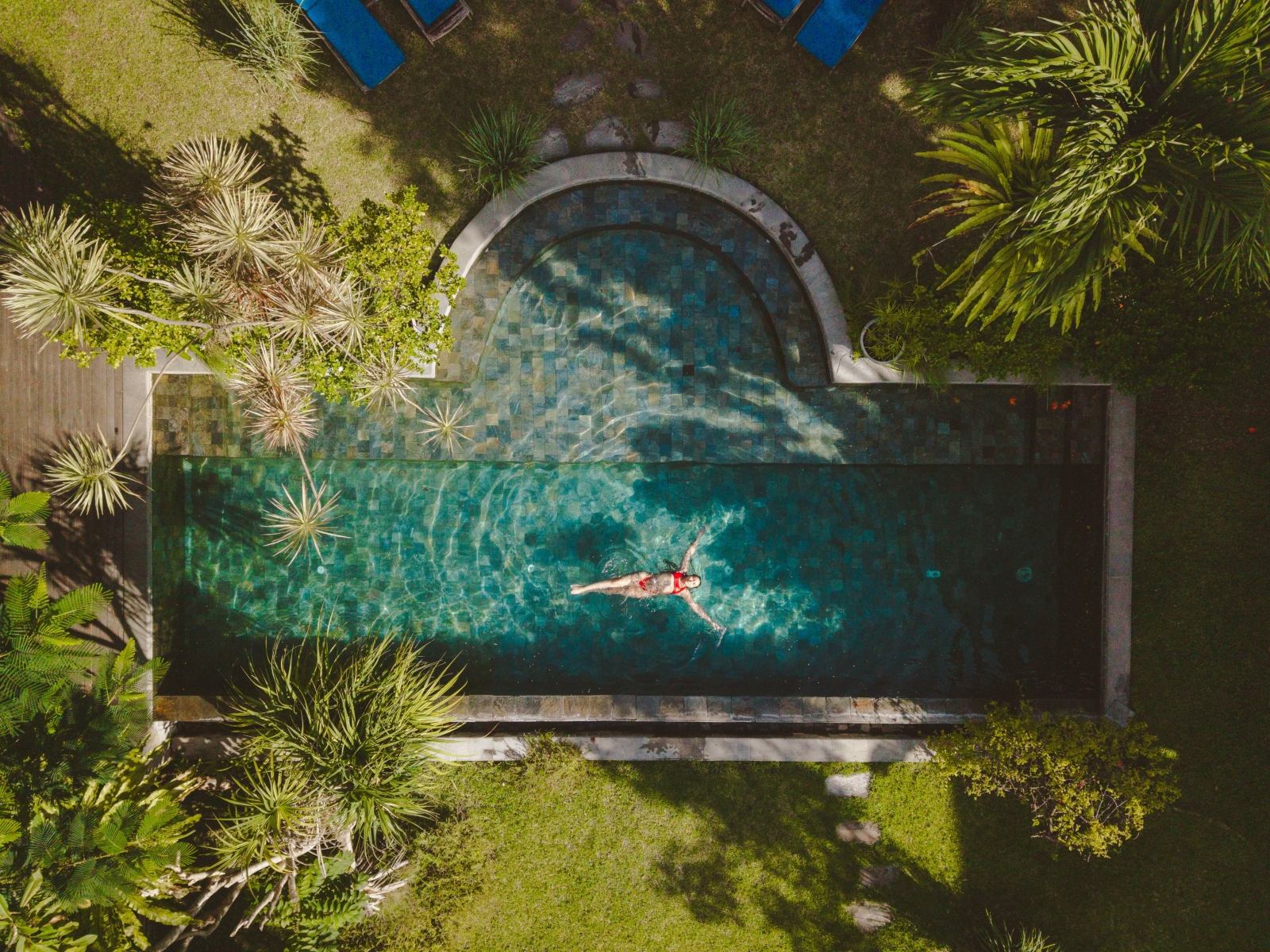
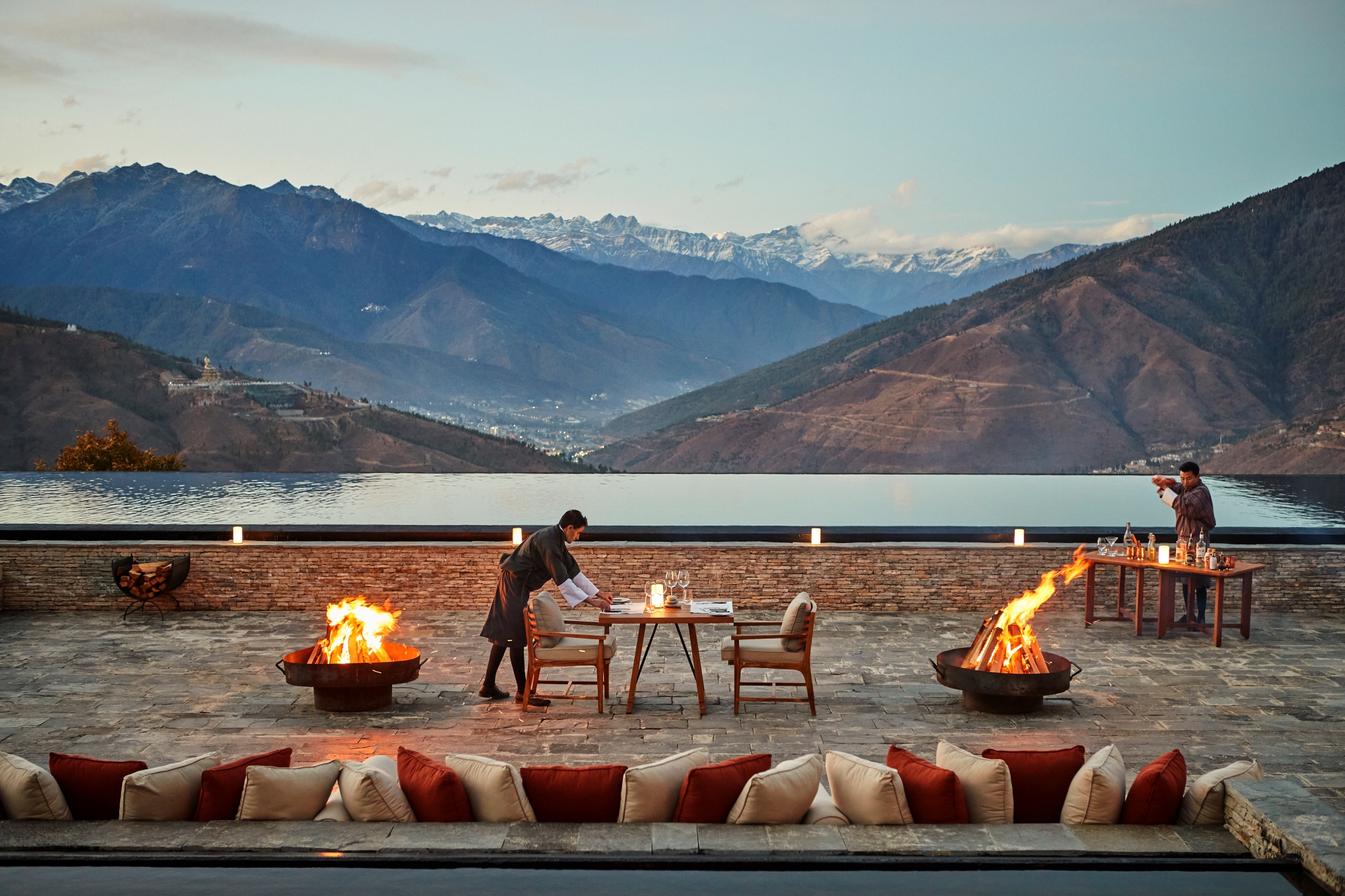
Social media shows the picture-perfect view: golden-sand beaches beneath cloudless skies, private villas hidden within lush landscapes and panoramas from mystical mountain peaks. What rarely makes it into the frame is everything happening around the image. The humidity and mosquitoes, the queues of people waiting for the same photograph or the rough edges just outside the shot.
This is not necessarily new. Travel marketing has always been about showcasing the most appealing aspects of a destination. What has changed is the scale and speed at which these images circulate, and the extent to which travellers now use them to make decisions.
A 2026 survey by Talker Research, commissioned by the Tennessee Department of Tourism Development (TDTD), found that 74% of Americans wouldn’t book a trip without seeing photos first. This indicates the reliance and trust many tourists have in photos of a destination or accomodation.
Overpromise and underdeliver
Now, there’s another spanner in the works. From accommodation listings to destination marketing, AI-generated and digitally enhanced visuals are increasingly influencing how places are presented to potential visitors. As the tools become more sophisticated, it’s becoming harder for tourists to tell what’s real. The Talker Research survey found that only 5% of American travellers can distinguish between real destination photos and AI-generated images in a side-by-side test.
Furthermore, 70% respondents said that upon arrival, they’d experienced destinations that looked significantly different from the photos they’d previously seen while planning the trip. Of those travellers, more than 80% suspected the images they had seen had been AI-generated.
With a clear image already in your mind, the result can be a frustrating mismatch between expectation and reality. The consequences extend beyond individual disappointment. Trust in hotels, booking platforms and the wider travel industry can suffer. Unsurprisingly, the survey found that this experience changed how many of those travellers planned their next trip.

If marketing repeatedly overpromises and underdelivers, travellers may become increasingly sceptical of the information presented to them. “We want travellers to feel confident when they plan a trip,” said Commissioner Mark Ezell, TDTD alongside the survey’s release. “Making travel plans is an investment in your time, with your money and with your trust. As a tourism entity, it’s important to us that visitors can trust that what they see from us online is as real and authentic as when they arrive to see it for themselves.”
“Tennessee is home to some of the world’s most beautiful landscapes, and we want people to know we’re the real deal,” continued Ezell. “In tourism, real photography is increasingly more important than ever, and destinations have the opportunity to lead on this. That’s why Tennessee Tourism is launching an industry-first photo certification program pledging to use only real photography. We hope it’s a standard others will follow.”

How to avoid mismatched expectations
As tourist disappointment from mismatched expectations grows, it’s likely that this idea of photo verification is where the industry is headed. For hotels and destinations, the path forward is clear: maintain transparency at every step of the customer journey.
For tourists, limiting social media exposure before travelling and resisting the urge to constantly compare experiences helps to explore without a predetermined outcome. Another way to reduce mismatched travel expectations may be to employ more mindful travel practices. Being more present and less focused on documenting every moment can change the way we engage with a destination.
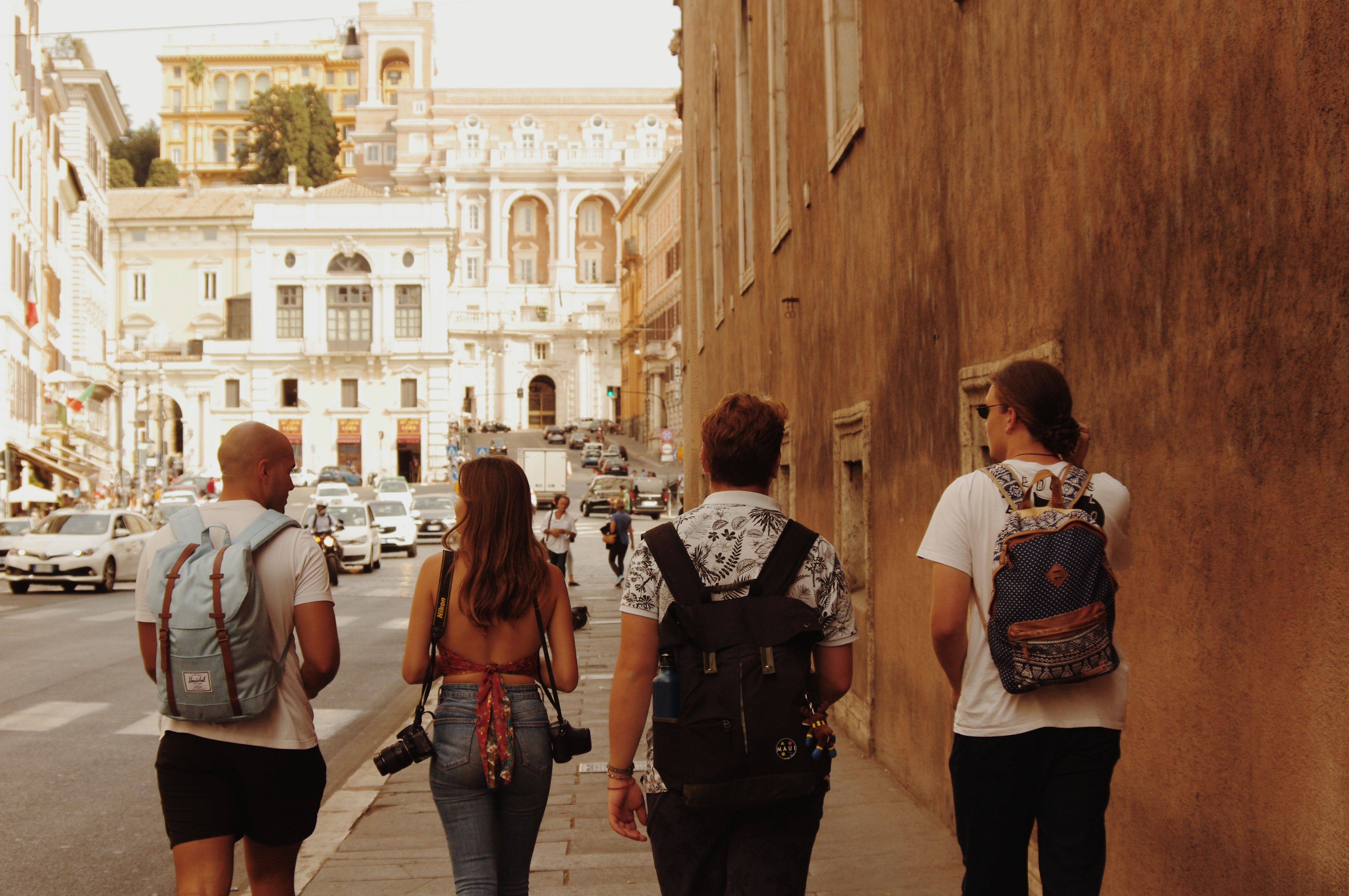
Additionally, venturing off the beaten track and exploring smaller neighbourhoods, independent businesses and less-publicised locations can offer a different perspective. Often, this brings travellers closer to the community, culture and everyday rhythms that give a destination its character. And maybe, that feeling is something that can never be fully captured in a photograph.
Read more similar stories


Support independent, honest journalism
At STERNA, we believe travel journalism should provoke new thought, inspire positive change, and highlight the purpose-led and sustainable businesses protecting our planet and local communities.
True, independent storytelling takes intention and deep research. We operate without clickbait, sensationalism, or corporate bias.
By contributing to STERNA, you directly fund independent journalism and help us bring more stories of positive environmental and cultural impact to light.
If our work has inspired you, consider supporting our mission.
Contribute to support independent journalism.
Choose an amount:
Or enter a custom amount:
Your contribution is appreciated, and helps to keep our site ad-free.
Your support is appreciated, and helps to keep our site ad-free.